
Consistent coir,shipment aftershipment.
Washed and buffered cocopeat blocks, grow bags and husk chips for commercial growers and distributors. Every lot is tested before it leaves Pollachi, and the lab report travels with your container.
From South India'scoconut belt,to your greenhouse.
Pollachi sits among some of India's densest coconut groves, and turning their husks into growing media is the work of the whole region. Thenvali Coir has made and exported coir substrates here for [years] years, shipping around [number] containers a month.
We control the steps that decide how coir behaves in your greenhouse: how long it ages, how well it is washed, and whether it is buffered. That is what keeps one container like the last.
Coir pith India exported in 2025
Value of those pith exports, 2025
Pith's share of India's coir export earnings, 2025
Industry figures for India, not for Thenvali Coir. Source: International Coconut Community, Market Review of Coconut Fiber, March 2026.
Five formats.One standard.
From bulk blocks for blenders to retail bricks under your own label. Pick a format to see its typical specification.
The workhorse for growers and blenders
Cocopeat 5 kg blocks
Compressed coir pith that expands with water into a light, airy growing medium. Available washed for low EC or unwashed for soil blending.
- Block size
- 30 × 30 × 12–15 cm
- Compression
- 5 : 1
- EC (washed)
- < 0.5 mS/cm
- pH
- 5.5 – 6.8
- Moisture
- < 20 %
- Expanded volume
- ≈ 70 L per block
Typical specifications. The actual values for each lot are on the lab report that ships with it.
What happensbefore it ships.
Coir straight from the husk is salty and unpredictable. Four steps turn it into a substrate you can grow on without surprises.
Every lot tested.
Every result shared.
Aged and screened
Raw pith rests in open yards, then gets sieved to take out loose fibre, sand and dust.
Washed
Repeated fresh-water washing draws out the natural salts, bringing EC down for sensitive crops.
Buffered
A calcium nitrate treatment releases sodium and potassium held in the coir, so your nutrients go to the plant.
Dried and pressed
Dried to target moisture, then hydraulically compressed into uniform blocks, bags and bricks.
Ships with every container
- Lab report for every lot: EC, pH, moisture, expansion
- Phytosanitary certificate
- Certificate of origin
- Fumigation certificate, where the destination requires it
Certifications
Show only the certificates the company holds, with their numbers.
The company
From huskto harvest.
Five stages, one chain of custody. We know where each lot came from and how it was treated, because we did it ourselves.

Husk
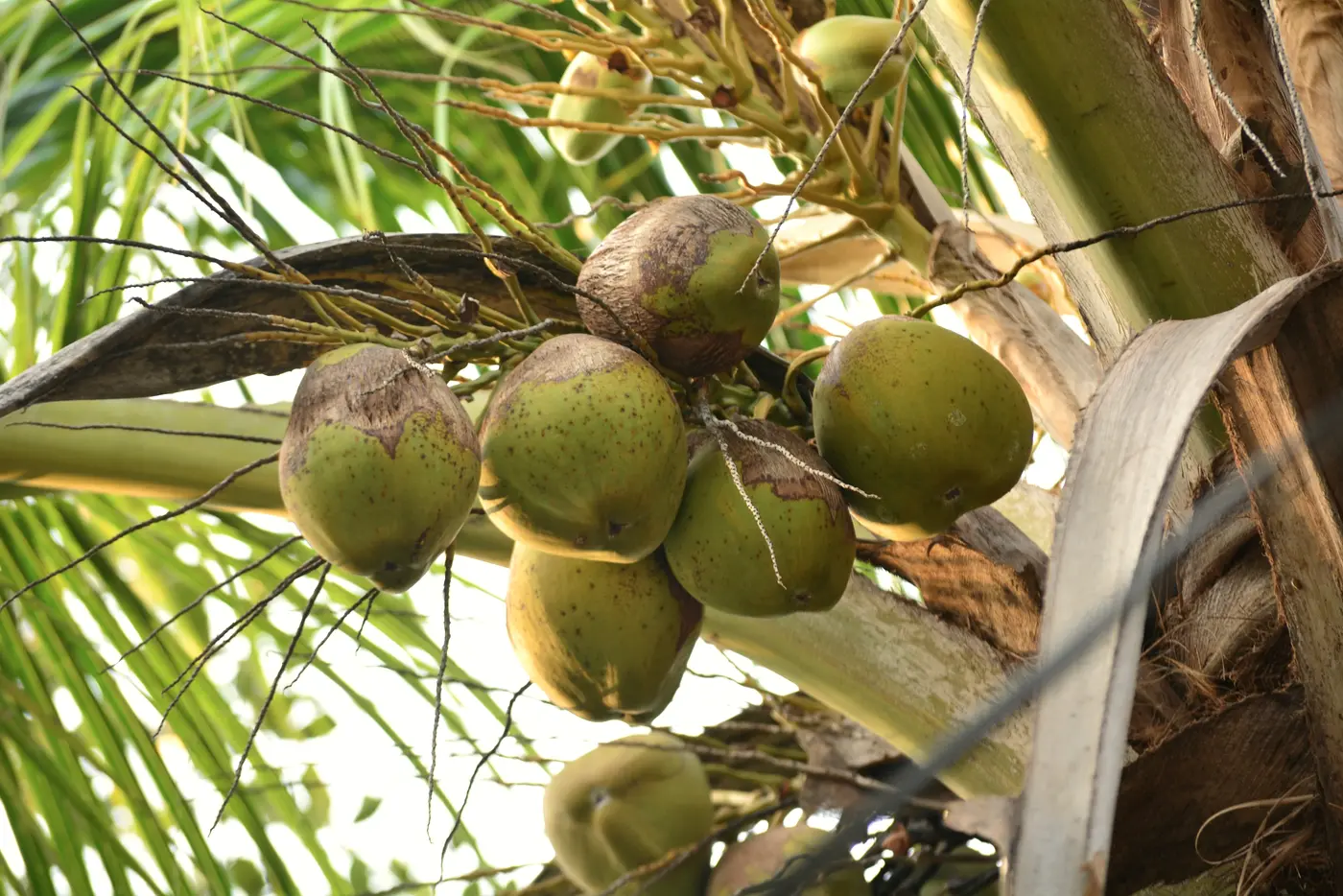
Coconut husks come in from the farms of the Pollachi belt, a by-product of the region's coconut harvest.
Fibre and pith
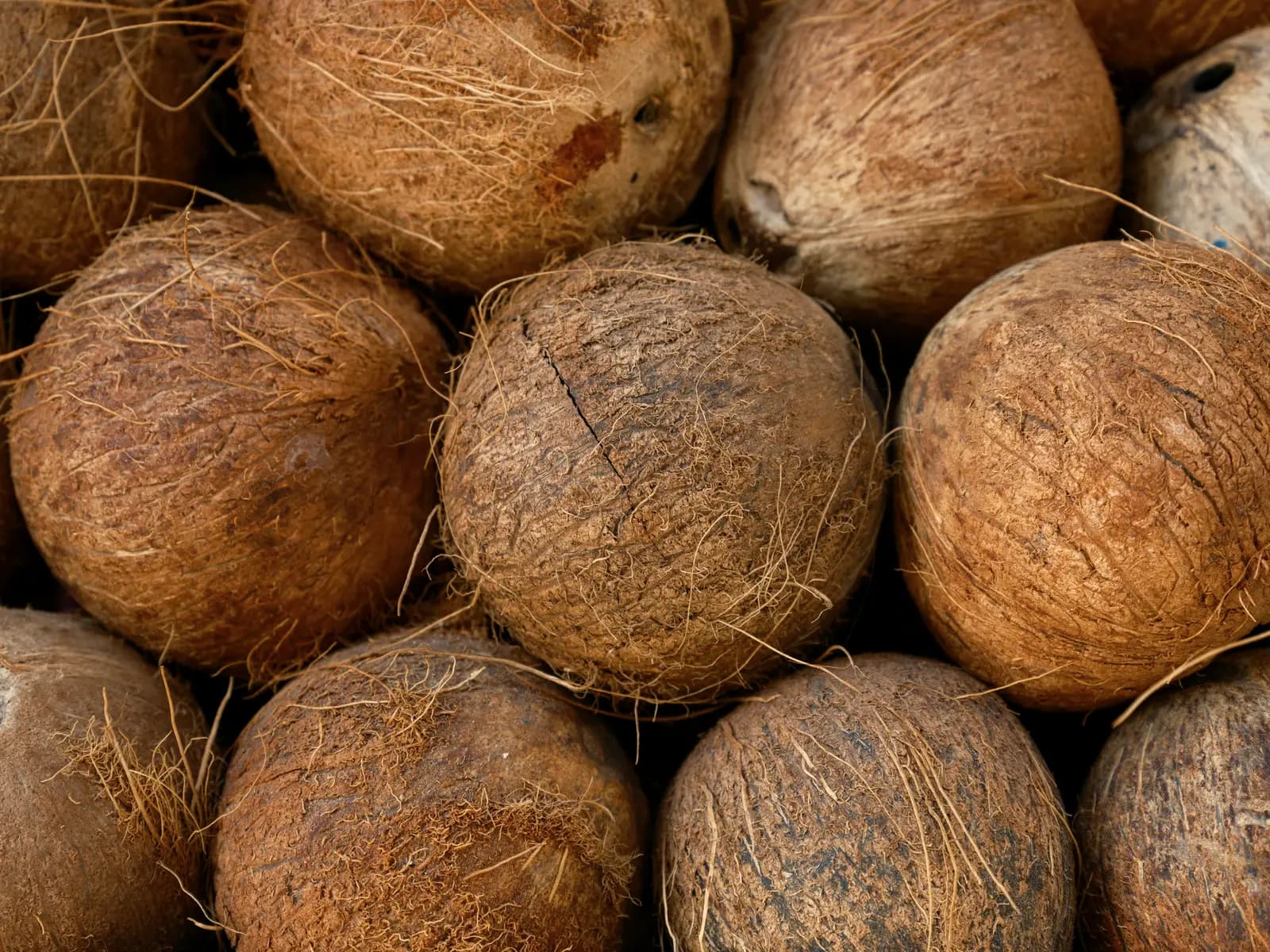
Husks are de-fibred. The fine, spongy pith that remains is what becomes cocopeat.
Wash and buffer
The pith is aged, screened, washed and buffered until it meets the EC target for your crop.

Press and ship
Blocks are pressed, palletised and loaded at Tuticorin or Kochi with full export documents.
Harvest
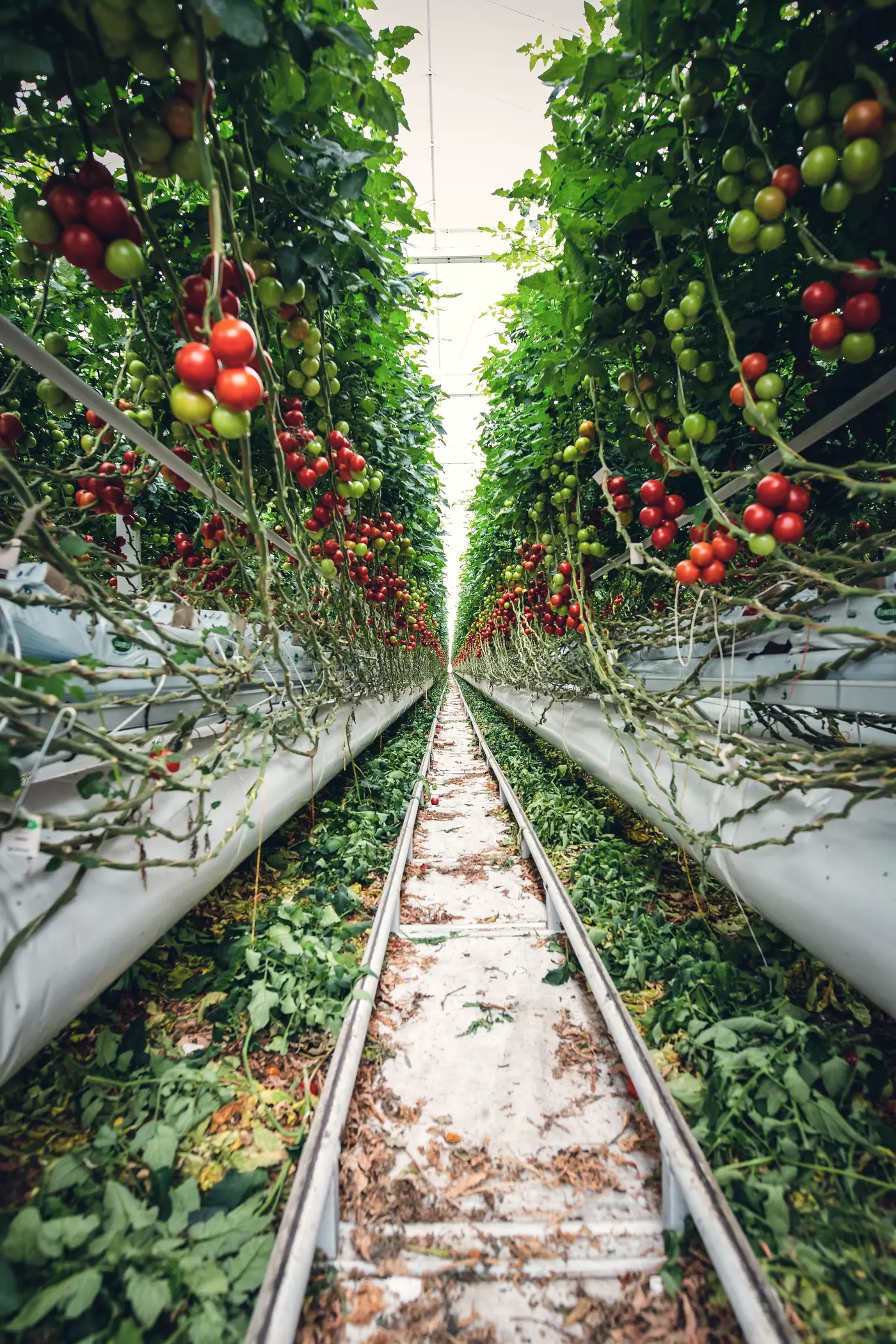
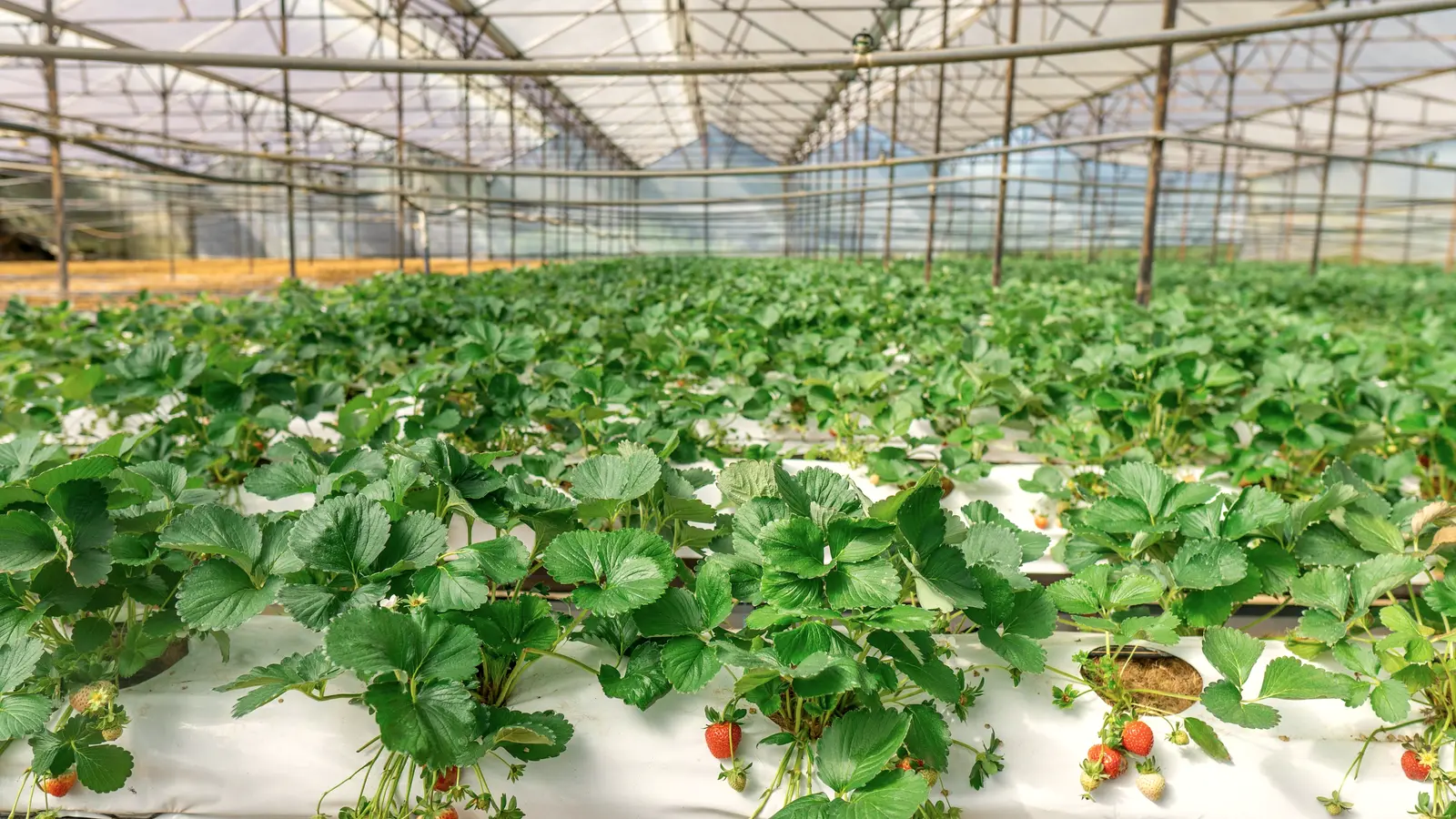
At your greenhouse it expands, holds water and air in balance, and grows a uniform crop.
Plan a containerin ten seconds.
See roughly what a container holds before you ask for a price. Then send the load to us in one tap.
Product
Container
Blocks per pallet
blocks of 5 kg
net weight
of growing media once expanded
10-litre pots it could fill
Indicative figures from typical pallet and expansion values. Final loading is confirmed on the proforma invoice.
One port of loading.Every growing region.
Containers leave from Tuticorin or Kochi with documents sent ahead, so they clear customs without waiting. Tell us your port and we will quote FOB or delivered.
How ordering works
- 1
Enquiry
Tell us the product, EC grade, volume and destination port.
- 2
Sample kit
We send samples with their lab report so you can test in your own conditions.
- 3
Quotation
A clear FOB or CIF price, with packing and loading details.
- 4
Production
Your order is produced, tested lot by lot and photographed before loading.
- 5
Shipment
Container sails with documents sent ahead, so customs clearance is quick.

What buyersask us first.
Something else on your mind? Our export desk answers on email and WhatsApp, usually within one working day.
What is the difference between washed and buffered cocopeat?
Washing removes the free salts with fresh water and lowers EC. Buffering goes one step further: a calcium nitrate treatment replaces sodium and potassium that are bound to the coir. Unbuffered coir can hold back calcium and magnesium from your feed, so hydroponic and greenhouse growers usually ask for washed and buffered.
Which EC grade should I order?
For hydroponics, grow bags and sensitive crops, choose low EC (under 0.5 mS/cm). For blending into potting soil, a higher-EC unwashed grade is fine and costs less. Tell us your crop and we will suggest a grade.
Can you pack under our brand?
Yes. Blocks, bricks and grow bags can carry your printed bags, labels and cartons. Share your artwork and we will confirm what each format allows.
What is the minimum order?
Usually one 20-foot container. Mixed containers with more than one product are possible.
Which shipping terms do you offer?
FOB Tuticorin or Kochi, or CIF to your port. Payment terms are agreed on the quotation.
Tell us whatyou are growing.
Share the product, volume and destination port. We reply with a price, a lead time and a sample offer.